Things you should know when moving offices
Last updated: 14 Aug 2025
1368 Views
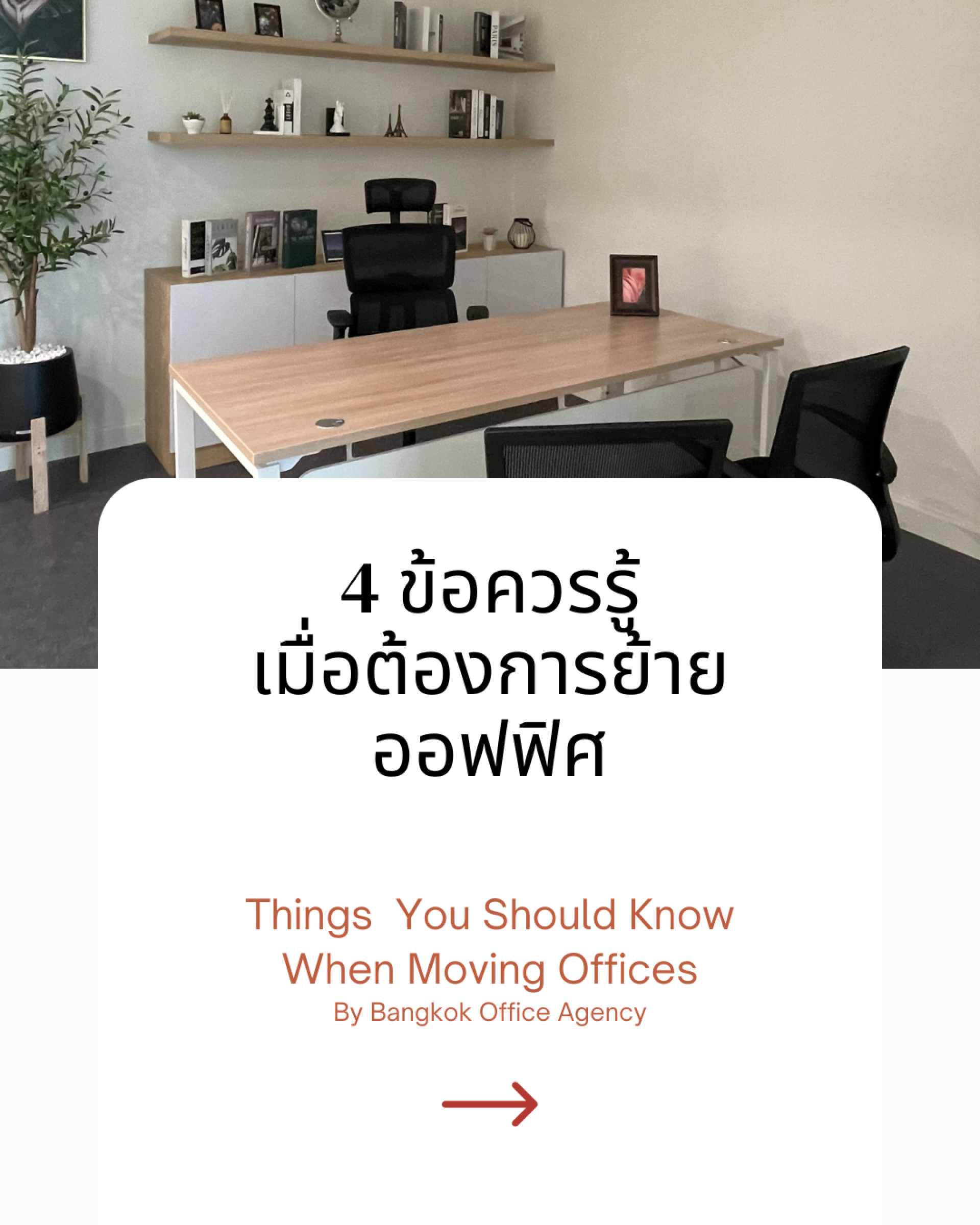
1. Plan ahead thoroughly
Set a clear moving date and create a timeline for each step.
Review your current lease agreement, including termination terms or penalties.
Estimate the time needed for moving and setting up all systems.
Set a clear moving date and create a timeline for each step.
Review your current lease agreement, including termination terms or penalties.
Estimate the time needed for moving and setting up all systems.
2. Choose a location and space suitable for your business
Consider travel convenience for both employees and clients.
Check available amenities such as parking, restaurants, and public transportation.
Ensure the office size fits your current team and allows for future expansion.
3. Prepare infrastructure in advance
Arrange for internet, phone lines, and IT systems to be installed before operations begin.
Plan the office layout for desks and equipment placement.
Inspect electrical systems, air conditioning, and building safety.
4. Communicate with your team and business partners
Inform employees in advance so they can plan and assist in coordination.
Update your new address with clients, suppliers, and relevant organizations.
Take this opportunity to refresh your brand image, such as redesigning the office to reflect your branding.


Related Content

In today’s rapidly changing work environment, Flexible Offices have become the new solution for businesses of all sizes—whether startups, multinational corporations, or organizations seeking to reduce costs.
Communication is the key to success in the workplace. Whether it’s meetings, business negotiations, or collaborating with teammates, effective communication helps build understanding, reduce conflicts, and improve work efficiency.

Planting air-purifying plants in the office helps improve air quality, reduce stress, boost creativity, and minimize noise, creating a fresher and more calming workplace environment.

